Understanding supply and demand equilibrium in niche markets is crucial for small businesses. Learn practical strategies to analyze market dynamics and achieve optimal pricing. Real-world insights.
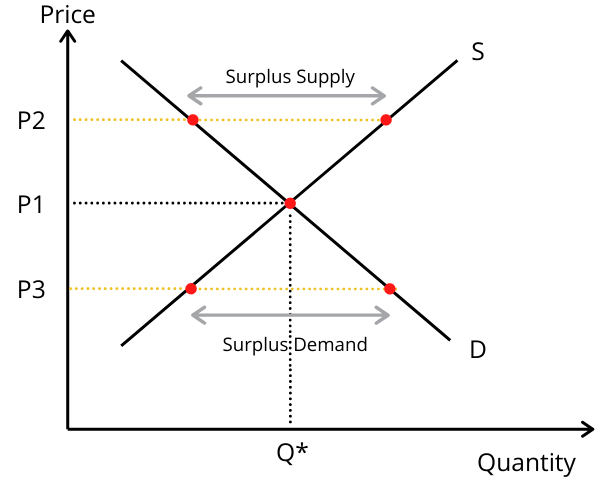
Operating within niche markets presents a unique set of challenges and opportunities for businesses. Unlike broad, generalized markets where economies of scale often dictate strategy, specialized sectors require a refined approach to understanding market forces. Successfully serving these specific customer segments hinges on accurately assessing what customers want, how much they value it, and the capacity to provide it. This careful balancing act ultimately defines supply and demand equilibrium in niche markets.
Key Takeaways:
- Niche markets demand granular understanding of specific customer needs and preferences.
- Effective market research, including qualitative and quantitative data, is vital for identifying true demand.
- Pricing strategies in niche markets must reflect perceived value, production costs, and competitive landscape.
- Agile inventory management and production are essential to avoid oversupply or undersupply.
- Direct customer feedback and supplier relationships offer critical insights into market dynamics.
- Monitoring external factors like economic shifts or technological advancements is key for sustained balance.
- Long-term success relies on continuous adaptation and a deep connection with the target audience.
Understanding Supply and demand equilibrium in niche markets
In a niche market, the conventional understanding of supply and demand shifts significantly. These markets cater to a very specific customer base with distinct needs, often underserved by larger industries. Consider a business selling artisanal, custom-made bicycle frames. The supply is limited by skilled craftsmanship and specialized material sourcing. Demand originates from cycling enthusiasts seeking unique, high-performance equipment tailored to their preferences.
Finding the sweet spot where produced frames align with customers willing to pay a certain price is the essence of supply and demand equilibrium in niche markets. This equilibrium point dictates optimal pricing and production levels. Producing too many frames leads to unsold inventory and price reductions, eroding margins. Producing too few means missed sales and potentially frustrated customers. Unlike mass markets where price elasticity is often a major factor, niche market customers may show lower price sensitivity if the product uniquely addresses their desires. My experience confirms that direct engagement with these customers offers unparalleled insights into their true value perception.
Identifying Market Signals in Specialized Sectors
Gauging market signals in specialized sectors requires a keen eye and proactive effort. Traditional market research methods are adapted; more intimate approaches often yield superior data. Customer interviews, focus groups, and direct conversations at industry events provide qualitative insights into preferences, pain points, and willingness to pay. Monitoring online forums and social media groups dedicated to the niche offers a window into collective sentiment and emerging trends, crucial for understanding demand dynamics.
Quantitative data collection involves analyzing website traffic, specific product line sales data, or pre-order volumes. For example, a US-based firm specializing in custom ergonomic keyboards tracks sales patterns for different switch types or keycap materials. Supplier relationships are critical; understanding their capacity, lead times, and material costs directly impacts your ability to meet market requirements. Furthermore, observing adjacent markets or technological advancements can signal shifts in customer expectations or competitive offerings. Building these data streams helps forecast future demand accurately, influencing your overall market balance.
Strategies for Achieving Supply and demand equilibrium in niche markets
Achieving a sustainable supply and demand equilibrium in niche markets involves a blend of proactive planning and responsive adjustments. Dynamic pricing is a powerful tool. Instead of fixed prices, businesses adjust based on real-time demand, production capacity, and perceived scarcity. For a bespoke furniture maker, offering limited commission slots at a premium price effectively manages demand and signals exclusivity. Inventory management shifts from bulk to precision. Just-in-time production, where feasible, minimizes holding costs and reduces waste, optimizing your supply.
Product differentiation is another key strategy for sustained balance. By consistently innovating and offering unique value, a business can maintain demand even with higher prices. This strategy creates a strong brand identity, justifying the premium often associated with niche offerings. Cultivating strong customer relationships fosters loyalty, which can smooth out demand fluctuations. Repeat customers provide predictable revenue streams and invaluable feedback, helping refine future product iterations. Agility in operations is non-negotiable for success in finding supply and demand equilibrium in niche markets.
Real-World Applications of Supply and demand equilibrium in niche markets
My work with small batch craft brewers illustrates the practical application of supply and demand equilibrium in niche markets. These brewers often release limited edition beers, creating scarcity that drives immediate demand. They carefully monitor social media buzz and pre-orders to gauge interest before brewing. If initial interest is high, they might allocate more resources to that particular batch, while ensuring not to overcommit. The equilibrium here is often fleeting, resetting with each new product launch. This agile approach prevents overproduction of less popular brews, saving significant resources.
Another example is in high-end hobby electronics. Manufacturers of specialized components for custom gaming PCs face fluctuating demand tied to new game releases or technology trends. They must quickly adapt their production lines, perhaps scaling up specific components while reducing others, to meet current enthusiast needs. Misjudging this can lead to costly obsolete inventory or missed sales during peak periods. Continuous feedback loops, from direct sales to community forums, are essential. Businesses that master this adaptability thrive, consistently aligning their specialized offerings with dynamic market desires and achieving sustained equilibrium.