
Are you trying to understand where the economy is headed? Predicting economic stability isn’t an exact science, but by carefully monitoring certain key indicators, we can gain valuable insights into the overall health and future direction of a nation’s financial landscape. These economic indicators act like vital signs, providing clues about potential booms or busts. By understanding these signals, individuals, businesses, and policymakers can make more informed decisions.

Key Takeaways:
- Monitoring economic indicators like GDP growth, inflation, and unemployment rates provides crucial insight into the health and stability of an economy.
- Consumer confidence and the housing market are also significant indicators of economic sentiment and potential risks.
- Government debt levels and interest rate policies play a key role in long-term economic stability.
Understanding GDP as an Economic Indicator
Gross Domestic Product (GDP) is arguably the most widely recognized and closely watched economic indicator. It represents the total value of goods and services produced within a country’s borders during a specific period, typically a quarter or a year. GDP growth signifies an expanding economy, with increased production, job creation, and consumer spending. Conversely, a shrinking GDP indicates a recession, characterized by declining production, job losses, and reduced consumer activity. While a strong GDP figure is generally positive, it’s also important to look at the quality of growth. Is it sustainable? Is it driven by genuine productivity gains or fueled by unsustainable borrowing? For instance, the gb economy relies heavily on financial services, so fluctuations in that sector can have a significant impact on overall GDP. Furthermore, GDP figures are often revised, and preliminary estimates can be misleading.
The Role of Inflation and Unemployment as Economic Indicators
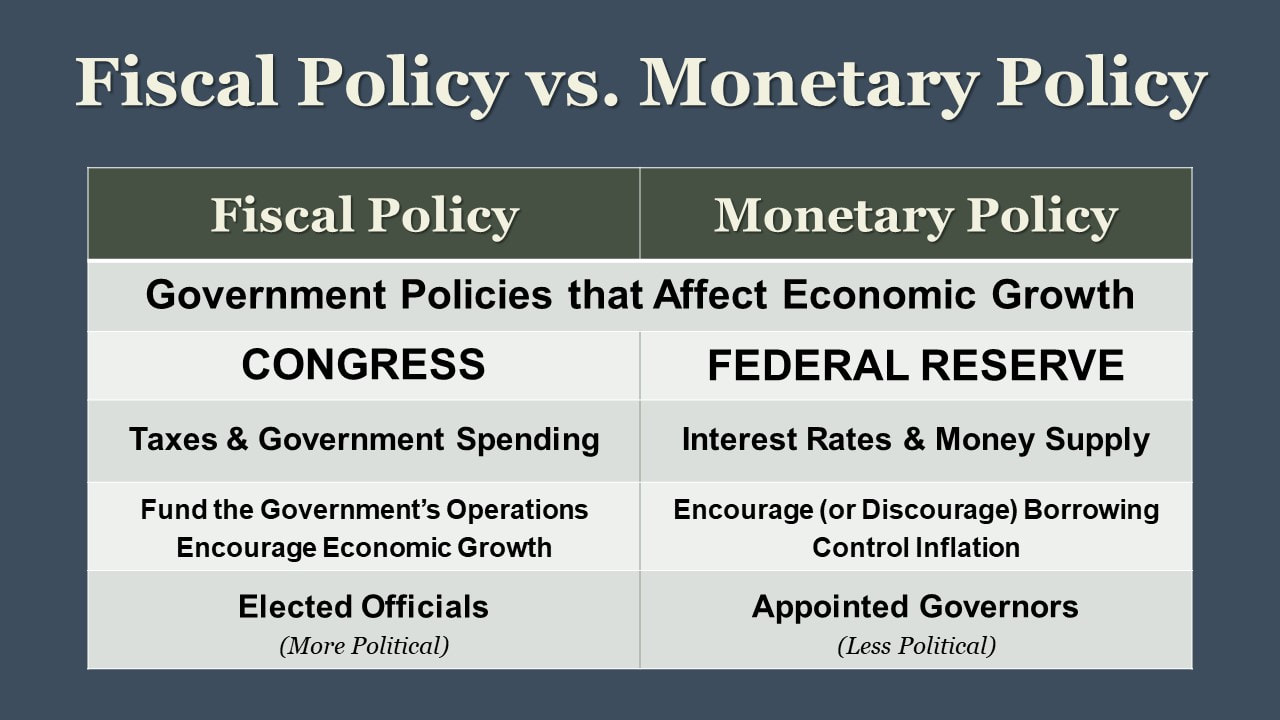
Inflation, the rate at which prices for goods and services rise, and unemployment, the percentage of the labor force actively seeking employment but unable to find it, are two crucial economic indicators that often move in opposite directions. High inflation erodes purchasing power, making it more expensive for consumers to buy goods and services. Central banks often respond to rising inflation by raising interest rates, which can slow down economic growth. High unemployment, on the other hand, signifies a weak economy with insufficient job opportunities. Governments may respond to high unemployment by implementing stimulus packages, which can boost economic activity but also potentially lead to inflation. A healthy economy typically strives for low and stable inflation and a low unemployment rate. Policymakers carefully balance these two economic indicators to achieve sustainable growth.
Decoding Consumer Confidence and Housing Market Economic Indicators
Beyond the hard numbers of GDP, inflation, and unemployment, consumer confidence and the health of the housing market offer valuable insights into economic stability. Consumer confidence reflects how optimistic or pessimistic people are about the economy’s future. High consumer confidence translates into increased spending, driving economic growth. Low consumer confidence leads to decreased spending, potentially triggering a slowdown. The housing market is also a significant economic indicator, as it reflects both consumer sentiment and investment activity. Rising home prices and increased construction activity generally indicate a healthy economy, while falling prices and declining construction suggest potential weakness. Bubbles in the housing market, where prices rise unsustainably, can pose a significant risk to economic stability, as the bursting of such bubbles can trigger financial crises.
Government Debt and Interest Rates as Long-Term Economic Indicators
The level of government debt and prevailing interest rates are critical economic indicators that shed light on long-term economic stability. High levels of government debt can strain public finances, potentially leading to higher taxes, reduced government spending, and decreased economic growth. Managing debt is crucial for long-term stability. Interest rates, set by central banks, influence borrowing costs for businesses and consumers. Low interest rates can stimulate economic activity by making it cheaper to borrow money, but they can also fuel inflation and asset bubbles. High interest rates can curb inflation but may also slow down economic growth. Central banks carefully manage interest rates to maintain price stability and promote sustainable economic growth. The relationship between these economic indicators is complex and requires careful monitoring to assess the overall economic outlook.