
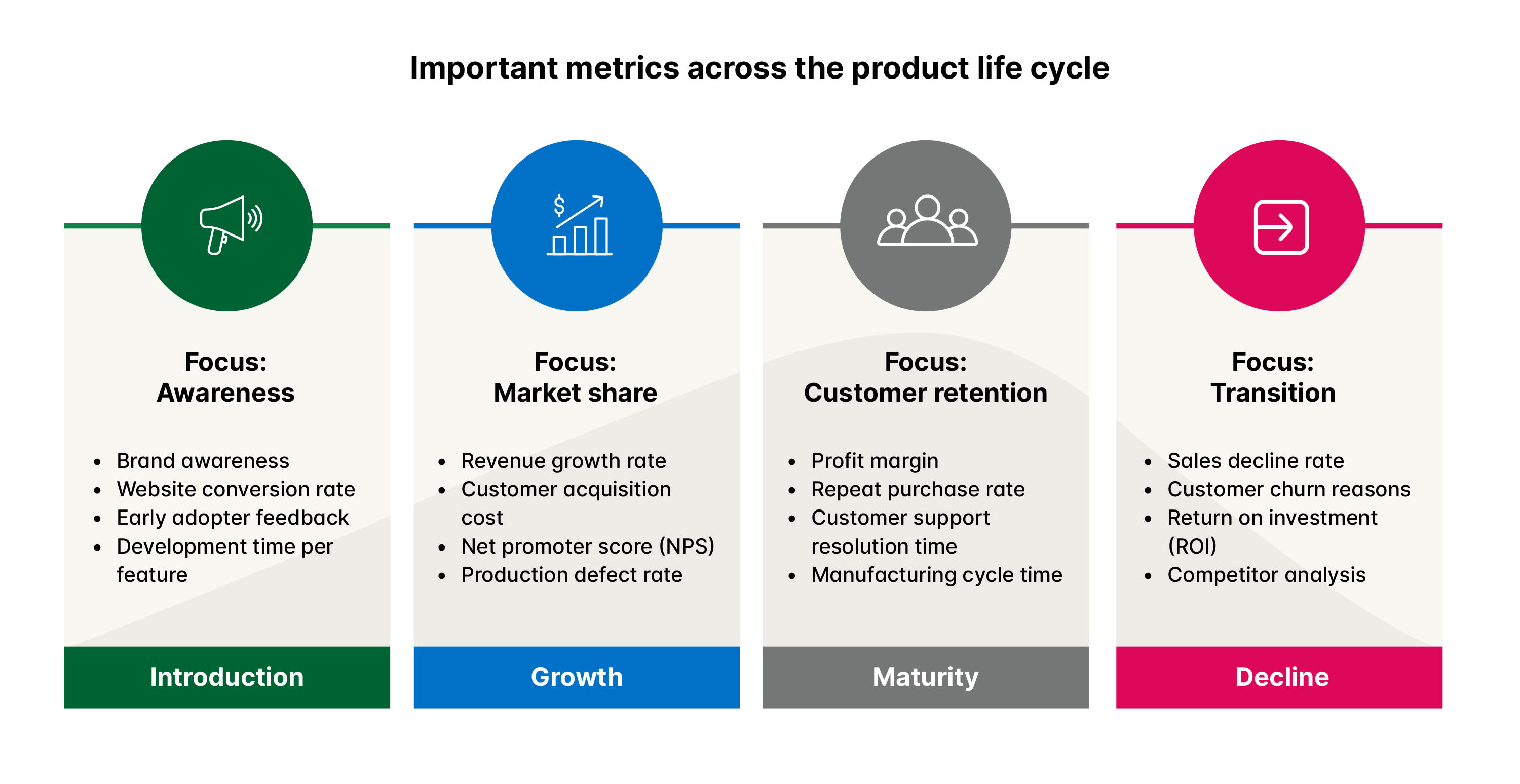
Are you launching a new product or struggling to keep an existing one relevant in today’s dynamic market? A deep understanding of the product lifecycle is paramount to achieving sustainable market success. Ignoring the different phases and their specific challenges can lead to wasted resources, missed opportunities, and ultimately, product failure. This article delves into the intricacies of the product lifecycle, providing actionable strategies to improve each stage and maximize your product’s potential.

Key Takeaways:
- The product lifecycle consists of distinct stages (introduction, growth, maturity, and decline), each requiring tailored strategies.
- Effective product management involves anticipating challenges and adapting your approach at each phase.
- Investing in innovation and understanding customer needs are crucial for extending the product lifecycle and maintaining market relevance.
- Analyzing sales data and customer feedback helps to inform decisions about pricing, marketing, and product development throughout the lifecycle.
Understanding the Product Lifecycle for Market Success
The product lifecycle describes the stages a product goes through from its initial conception and introduction to the market until its eventual decline and withdrawal. Typically, these stages are:
- Introduction: The product is launched, often with significant marketing investment to create awareness and drive initial adoption. Sales are typically low, and profits may be negative due to high startup costs.
- Growth: As awareness increases and adoption grows, sales start to rise rapidly. Competition may emerge, but the focus is on expanding market share and improving product features.
- Maturity: Sales growth slows down as the market becomes saturated. Competition intensifies, and companies focus on differentiating their products through pricing strategies, promotions, and product modifications.
- Decline: Sales begin to decline as the product loses its appeal, is replaced by newer technologies, or faces increasing competition. Companies may reduce marketing spend, lower prices, or discontinue the product altogether.
Maximizing Value During the Product Lifecycle Stages
Each stage of the product lifecycle presents unique opportunities and challenges. By understanding these dynamics, you can tailor your strategies to maximize value and extend your product’s lifespan.
- Introduction Stage: Focus on building awareness through targeted marketing campaigns, educating early adopters, and gathering feedback to refine the product. Consider offering introductory pricing or incentives to encourage trial.
- Growth Stage: Invest in scaling production, expanding distribution channels, and building brand loyalty. Continuously improve the product based on customer feedback and market trends. Monitor competitor activity closely and be prepared to adapt your strategy.
- Maturity Stage: Differentiate your product through unique features, enhanced customer service, or aggressive pricing strategies. Explore new market segments or applications for your product. Consider line extensions or product modifications to revitalize interest. Maybe adding 2 gb of memory to an older product would give it new life.
- Decline Stage: Reduce marketing spend and focus on maximizing profitability from existing customers. Explore opportunities to liquidate inventory or repurpose the product for a different market. Consider introducing a replacement product or service to capture lost revenue.
Strategies to Extend the Product Lifecycle and Stay Competitive
The goal of effective product management is to extend the product lifecycle and maintain market relevance for as long as possible. Here are some strategies to achieve this:
- Innovation: Continuously invest in research and development to create new features, improve performance, or adapt the product to changing customer needs.
- Market Expansion: Explore new geographic markets or customer segments to increase sales and extend the product’s reach.
- Product Repositioning: Reframe the product’s value proposition to appeal to a different audience or address a new need.
- Product Bundling: Combine the product with other complementary products or services to create a more attractive offering.
- Price Optimization: Adjust pricing strategies to remain competitive and maximize profitability in different market conditions.
Data-Driven Decisions Throughout the Product Lifecycle
Effective management of the product lifecycle relies heavily on data analysis and informed decision-making. Track key metrics such as sales figures, market share, customer satisfaction, and competitor activity to gain insights into the product’s performance and identify potential challenges or opportunities.
- Sales Data: Monitor sales trends to identify growth opportunities, detect potential declines, and optimize pricing strategies.
- Customer Feedback: Gather customer feedback through surveys, reviews, and social media to understand their needs and preferences, and identify areas for product improvement.
- Market Research: Conduct market research to stay abreast of industry trends, competitor activity, and emerging technologies.
- A/B Testing: Use A/B testing to optimize marketing campaigns, product features, and pricing strategies.


